ORIGINS · CIRÒ · MONASTIC LIFE
Saint Nicodemus of Cirò
From his Calabrian origins to Mount Kellerana, between faith, ascetic life and popular devotion
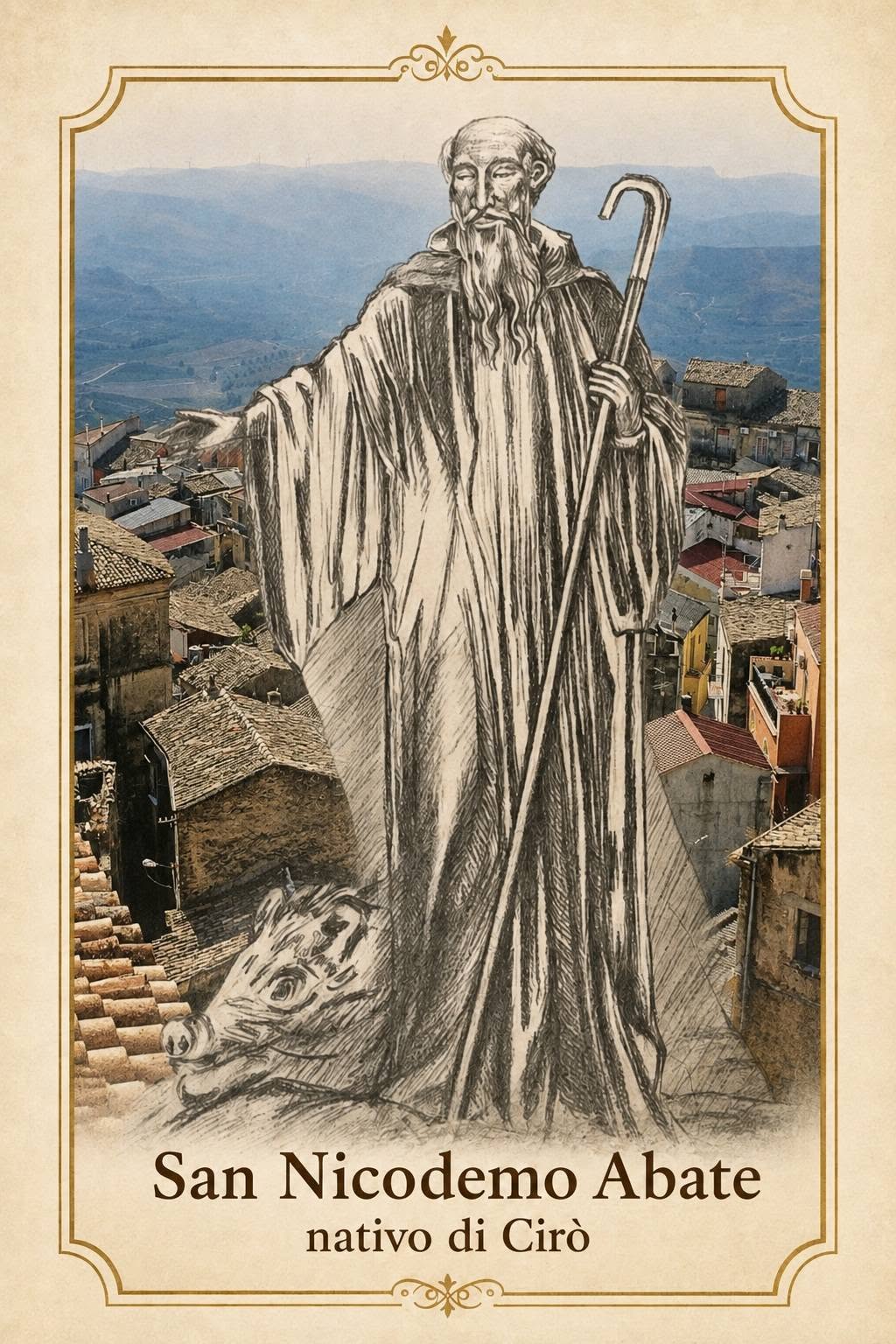
Saint Nicodemus of Cirò, also known as Saint Nicodemus of Mammola, was a tenth-century Christian monk venerated in both Catholic and Orthodox tradition. His memory still connects Cirò, Mammola and many Calabrian communities.
Origins: Ypsicron or Sikron?
The exact place of his birth remains debated in traditional and historical reconstructions. One widespread identification links Ypsicron with present-day Cirò, while other interpretations refer to a place called Sikron.
For this reason, the connection with Cirò should be presented with care: it is a deeply rooted tradition, but the exact birthplace is not definitively documented.
Fantinus, the Mercurion and monastic vocation
From a young age Nicodemus wished to enter monastic life. According to tradition, he chose Fantinus the Younger as his spiritual master, a figure also associated with Nilus of Rossano.
Fantinus is said to have refused him at first, believing him too physically frail for the severity of ascetic life. Once accepted, Nicodemus became known for prayer, spiritual discipline and an especially demanding ascetic practice.
From the Mercurion to Mount Kellerana
Raids affecting Byzantine Calabria forced several monks to leave the Mercurion. Nicodemus found refuge on Mount Kellerana, also called Kellerano or Cellerano, in the area now associated with Mammola.
The place was wild and isolated, yet close to important routes connecting the Tyrrhenian and Ionian coasts. His reputation attracted ascetics and pilgrims and encouraged the formation of a monastic community.
A saint close to creation
Popular tradition remembers Saint Nicodemus as particularly close to animals and nature. Several stories describe him protecting animals threatened by people, expressing a spirituality centred on respect for creation.
Cirò: memory, devotion and identity
In Cirò, devotion to Saint Nicodemus forms part of local religious memory. Tradition associates the saint with a birthplace later used as a place of devotion and with relics attributed to him.
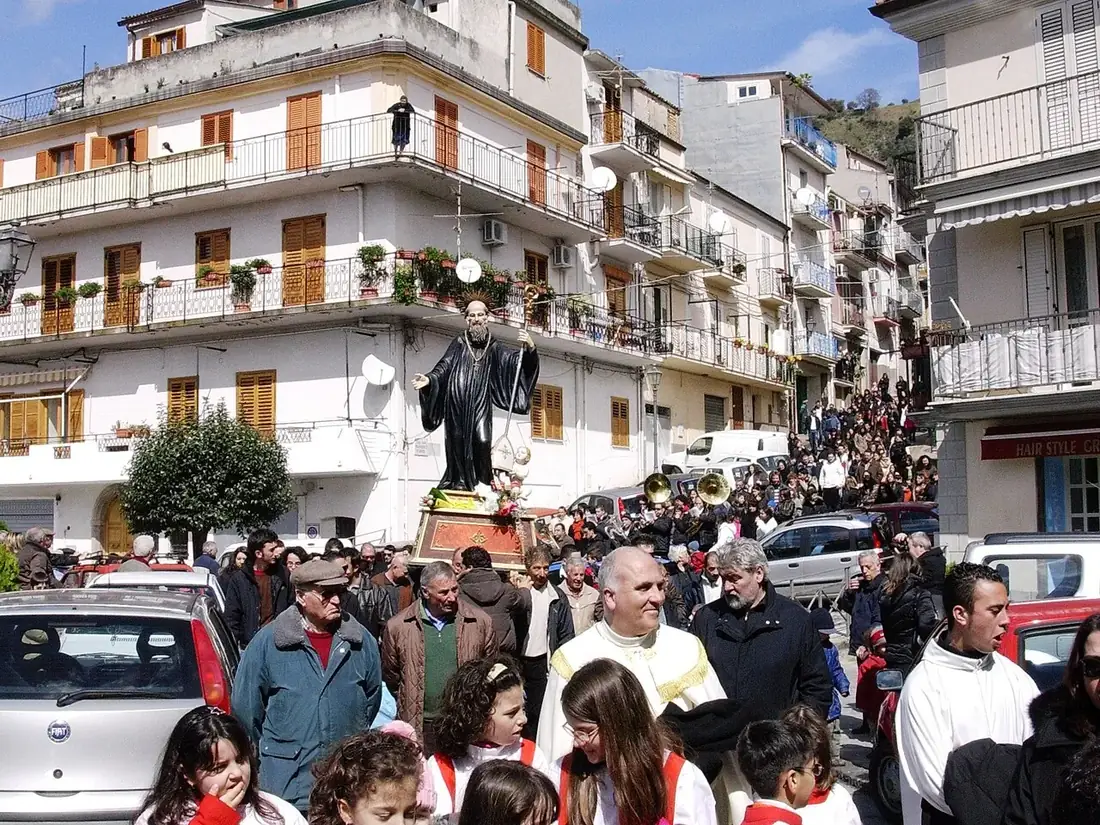
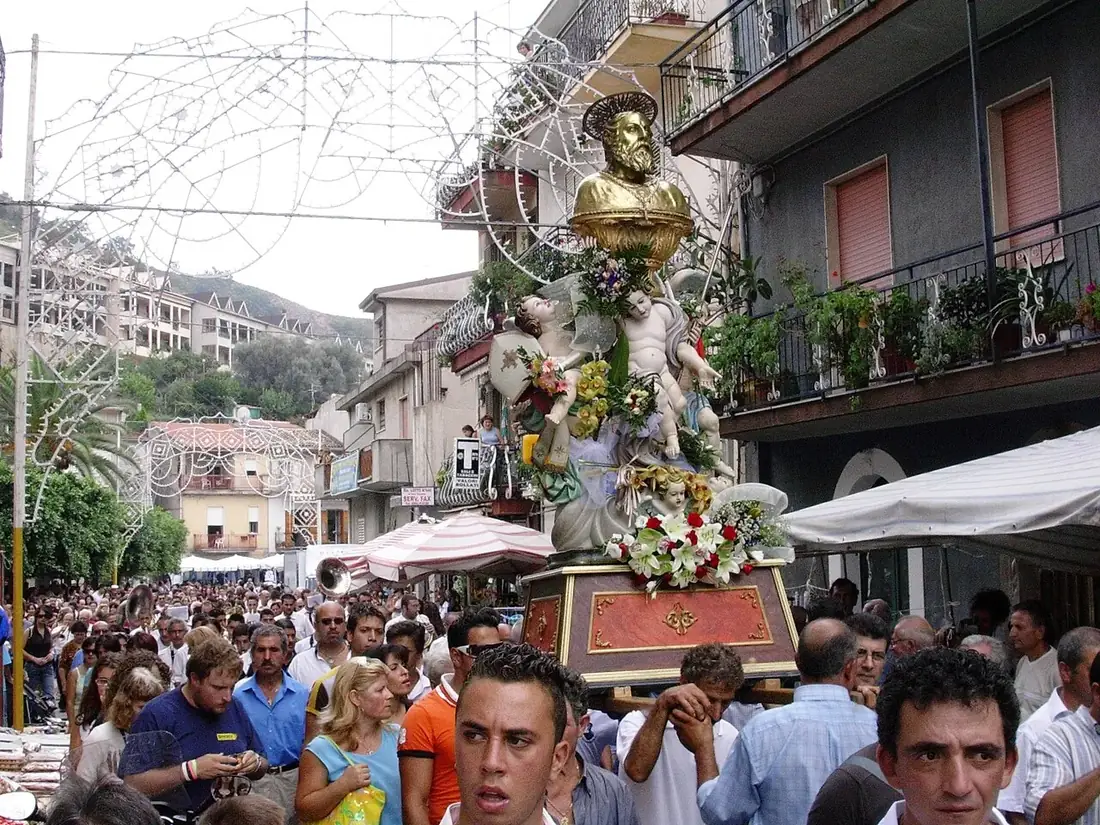
Feasts and processions continue to express the relationship between the saint and the community, while the title “Saint Nicodemus of Cirò” preserves the connection with local identity.
The living bond with Mammola
Cirò and Mammola do not represent two different saints, but two perspectives on the same figure. Mammola preserves a central part of the monastic memory, cult and relic tradition, while Cirò preserves the tradition of his origins.
The devotional relationship between the communities remains active: people from Cirò take part in celebrations in Mammola, while Mammola devotees also join celebrations in Cirò.
Relics and devotion
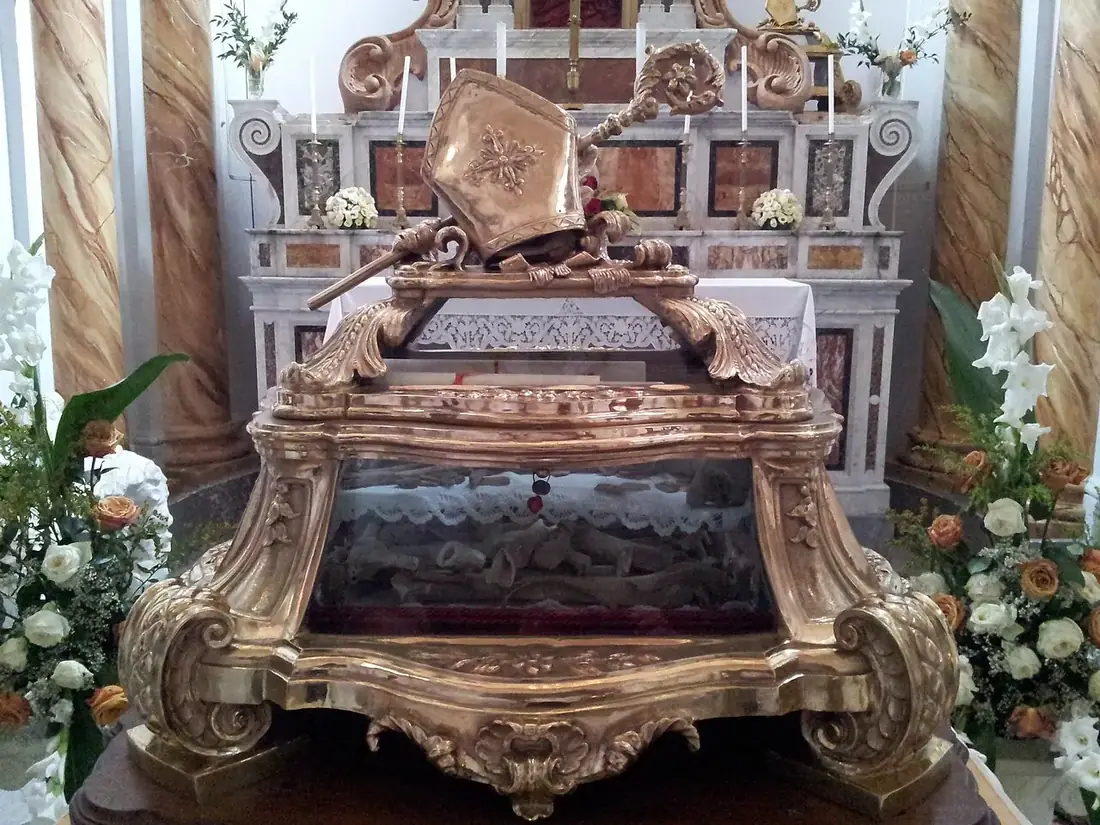
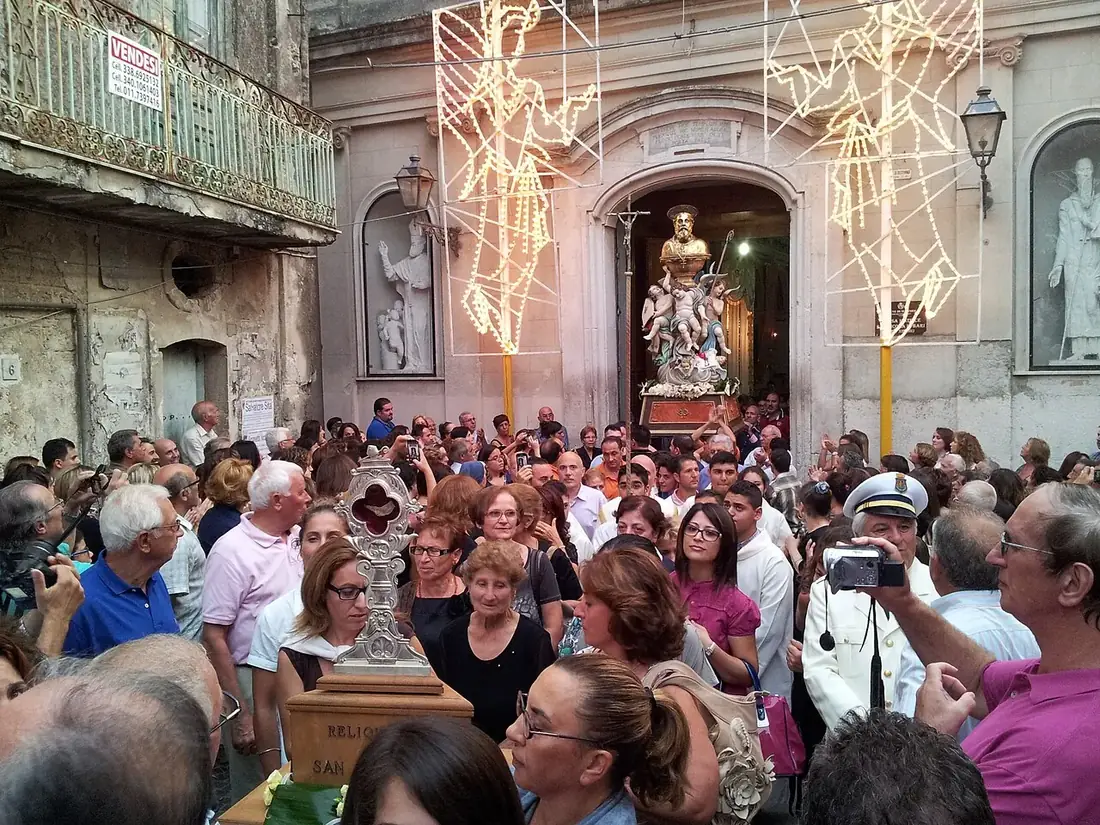
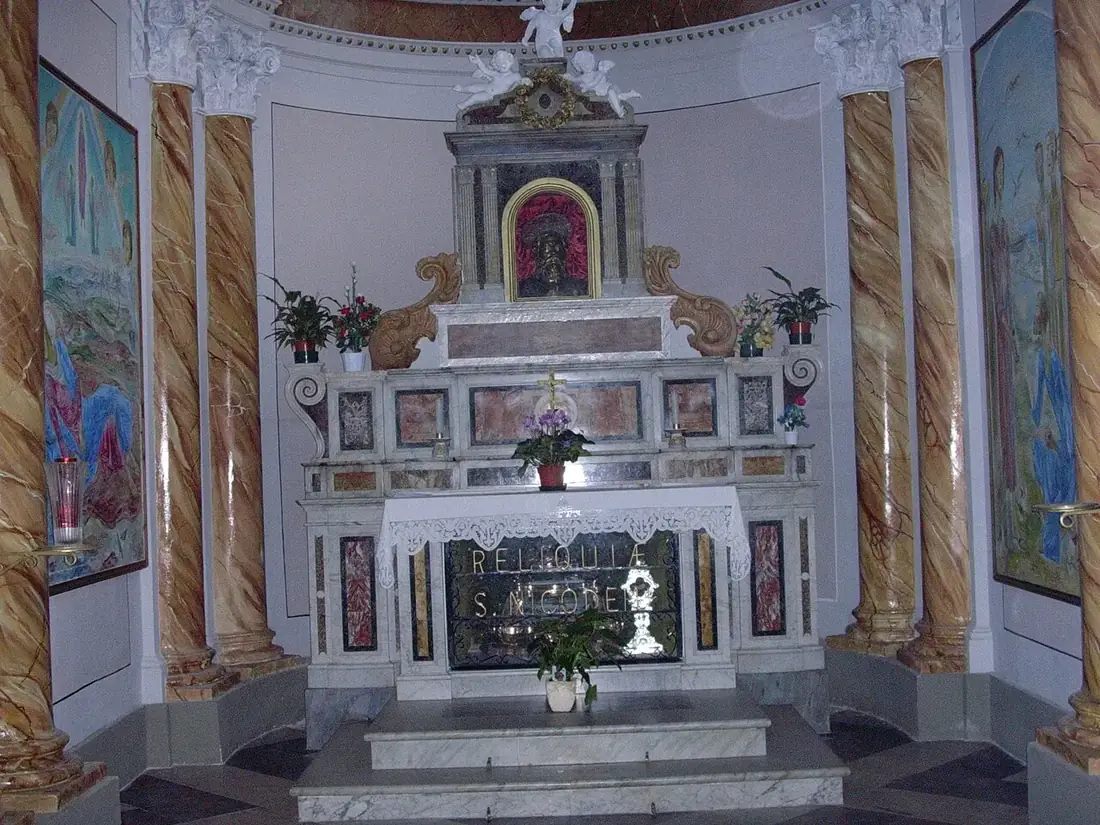
In the religious tradition of Mammola, the relics of Saint Nicodemus have a central role. They are preserved in the Mother Church, within the chapel dedicated to the saint, together with devotional artworks and images.
Celebrations, processions and pilgrimages remain important expressions of popular devotion.
Statues, chapel and religious memory
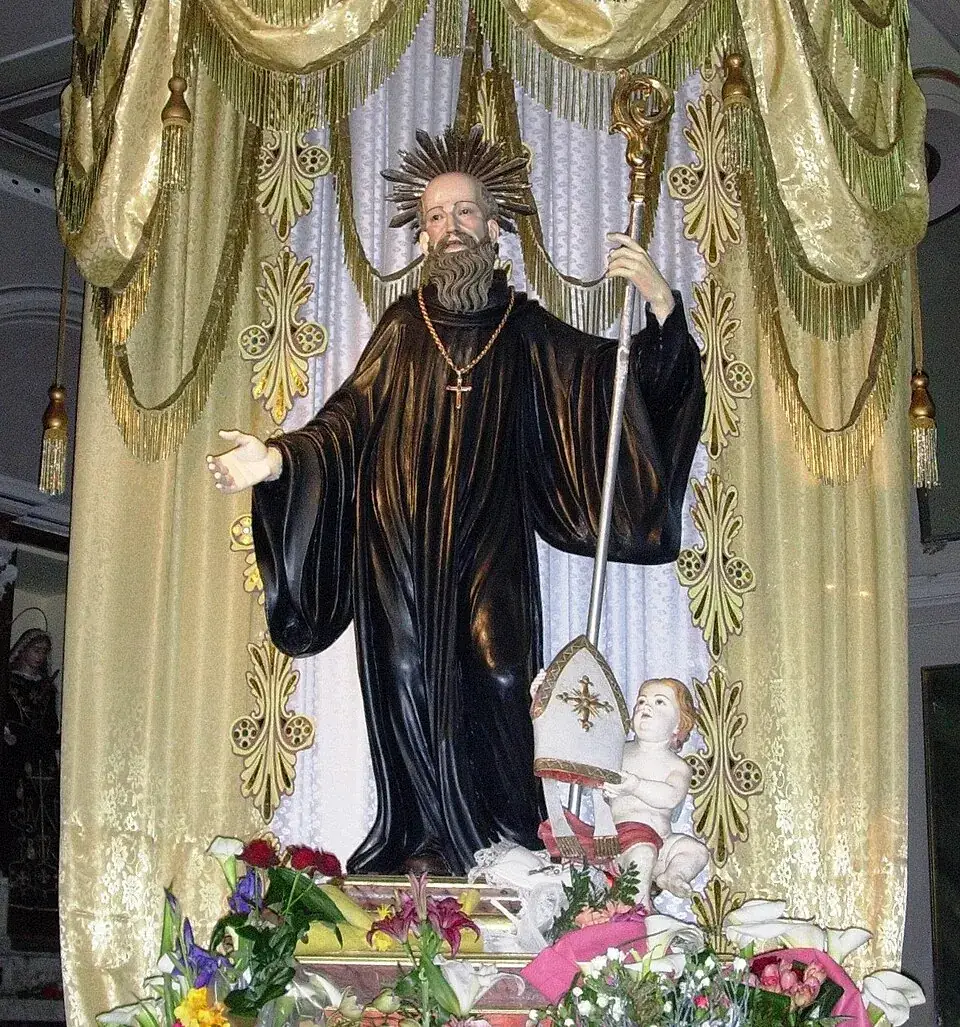
The veneration of the saint is also visible through statues, reliquaries and liturgical spaces that preserve the memory of Saint Nicodemus and reflect centuries of devotion.
A devotion beyond Calabria
Calabrian migration carried devotion to Saint Nicodemus beyond Italy. Communities of Calabrian origin continued to preserve images, prayers and traditions connected with the saint in different countries around the world.
The source material contains traditions and chronological attributions that would benefit from documentary verification. This page therefore presents the birthplace and other non-definitive elements as tradition rather than established fact.